“For my part, I travel not to go anywhere, but to go. I travel for travel’s sake. The great affair is to move.” ~ Robert Louis Stevenson
WHENEVER I travel, I do my best to get lost in the culture, the experience, to travel just to travel, and worry less about seeing everything in the guidebook: quality, I suppose, over quantity. My stay in Tokyo, though, was extremely limited by time: a full day at the start, and half a day at the end. It is recommended to spend at least two weeks in Japan, soaking in her rich history and tasting so much of the culture, yet my limited work vacation only allotted one week total. For me to see anything felt like cramming in everything.
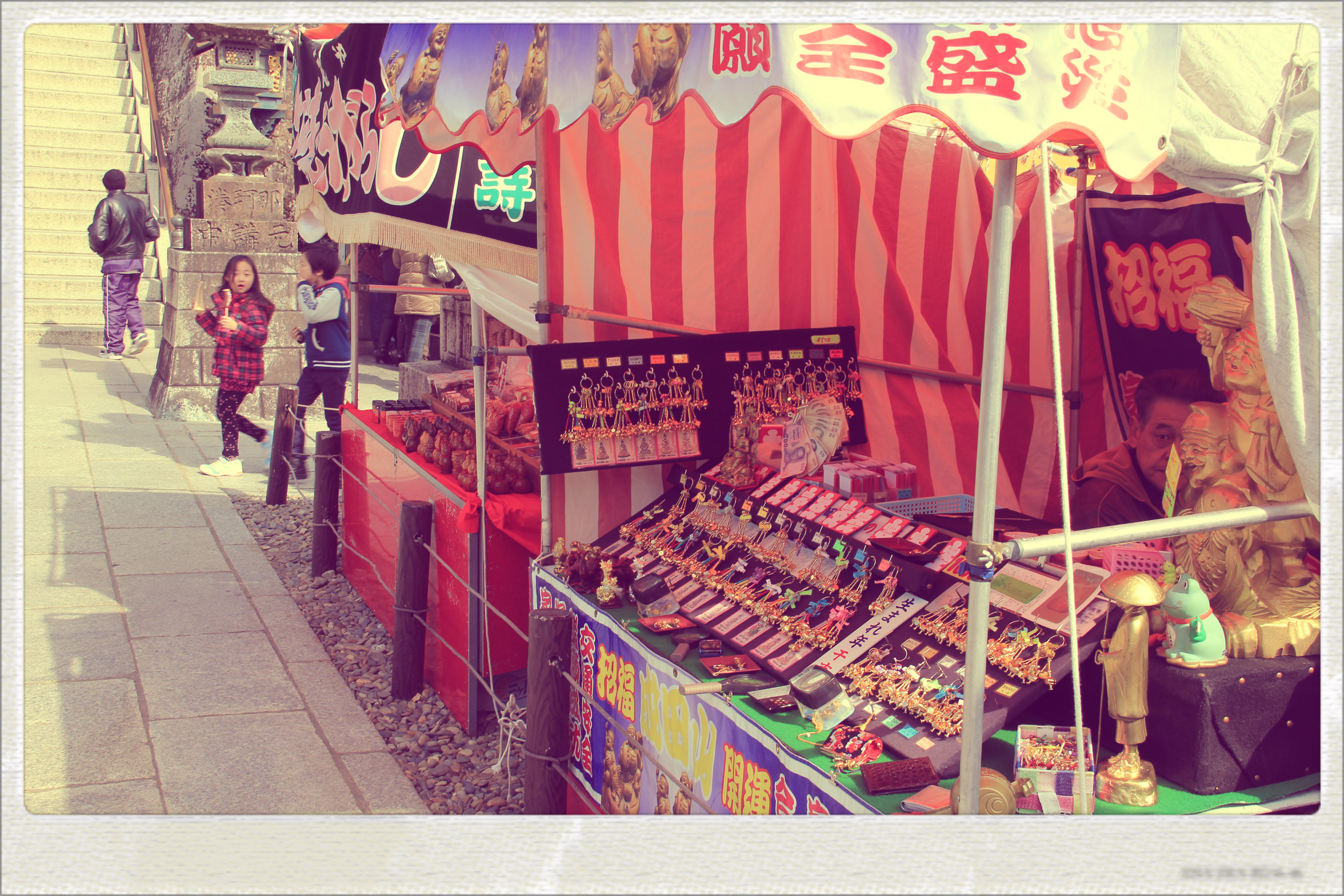
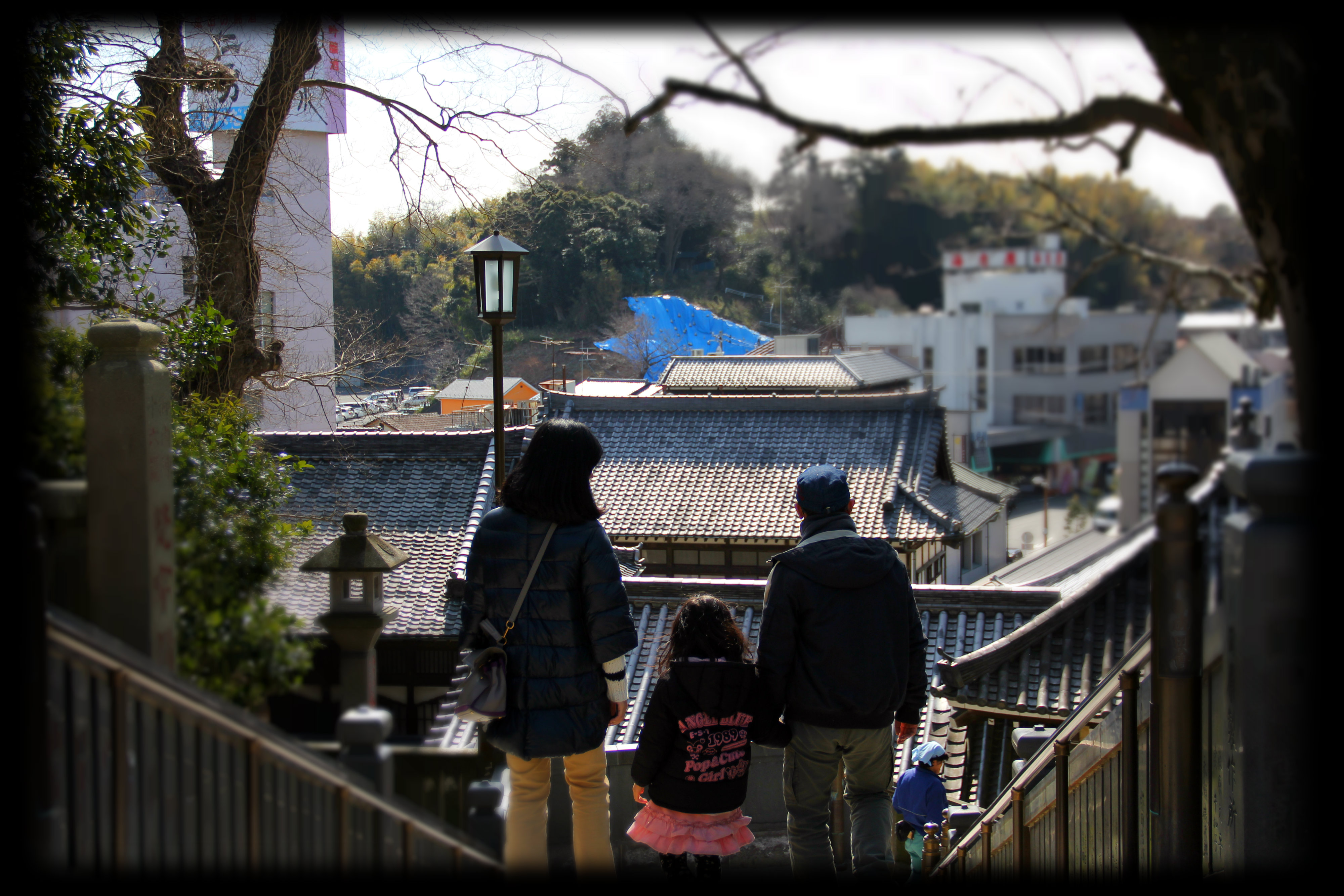
If you see nothing else in Tokyo or Narita, visit the Buddhist (or Shinto) temples. Outside each temple you’ll find the wares of peddlers, varying in quality depending where you might be. Narita’s temple (above) has only one row of sellers, and of them none tempted me to drop my Yen. You can get to the Narita temple with a 20 minute walk from the bus station, meandering through city streets and tourist minded walkways. Before you get to the temple is your best chance for little gifts or snacks.
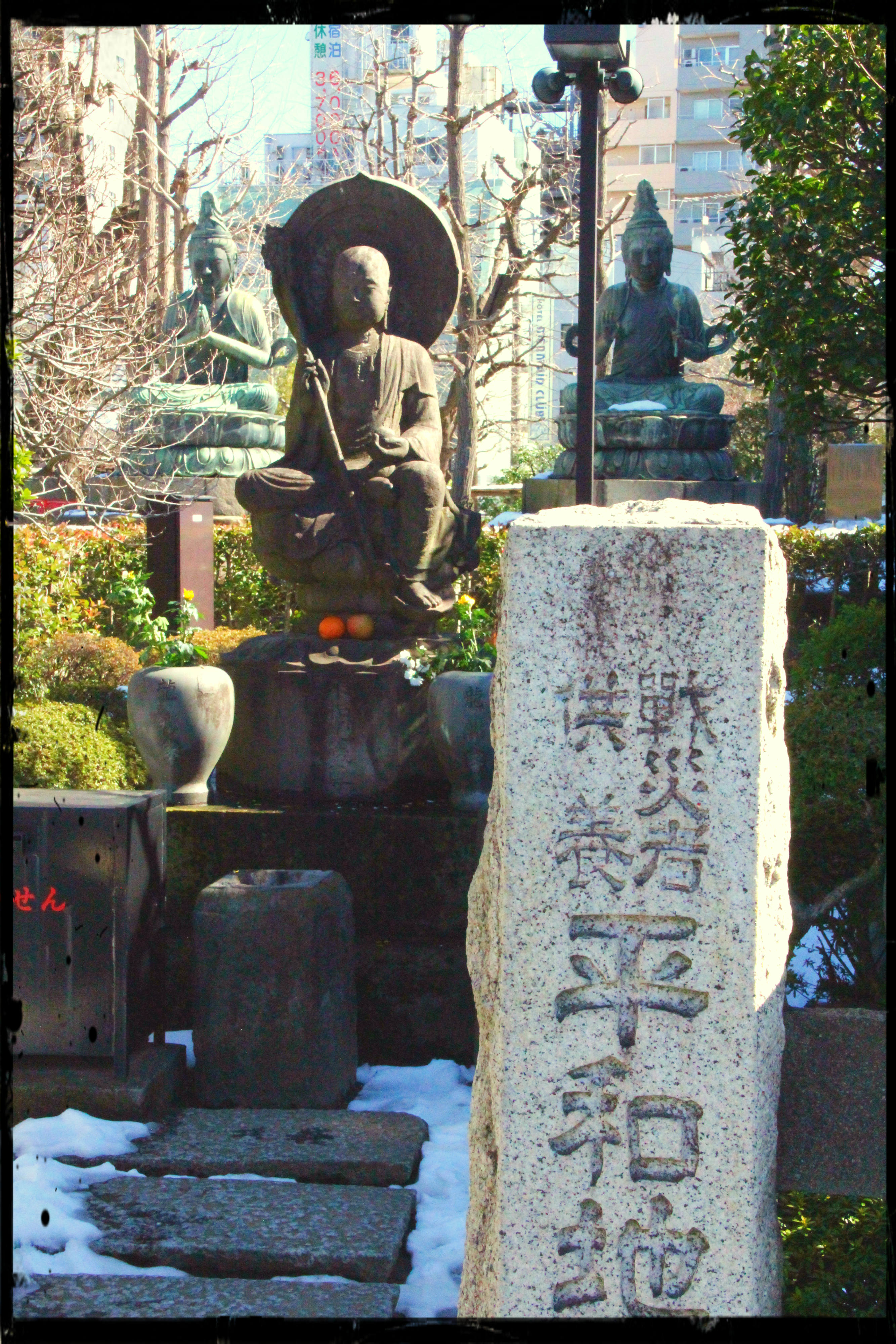
However, the Senso-ji temple (below) in Tokyo (off the Asakusa subway line) has rows and rows of “nicer” souveniers and tasty vittels. I stopped at one booth for “buns”: sweet breads with various fillings. I chose a sesame bun with a plumb filling that I dream of to this day- and it cost me 500 Yen (about 5 cents). That isn’t to say that either place’s peddlers captures true Japanese art or culinary fare.

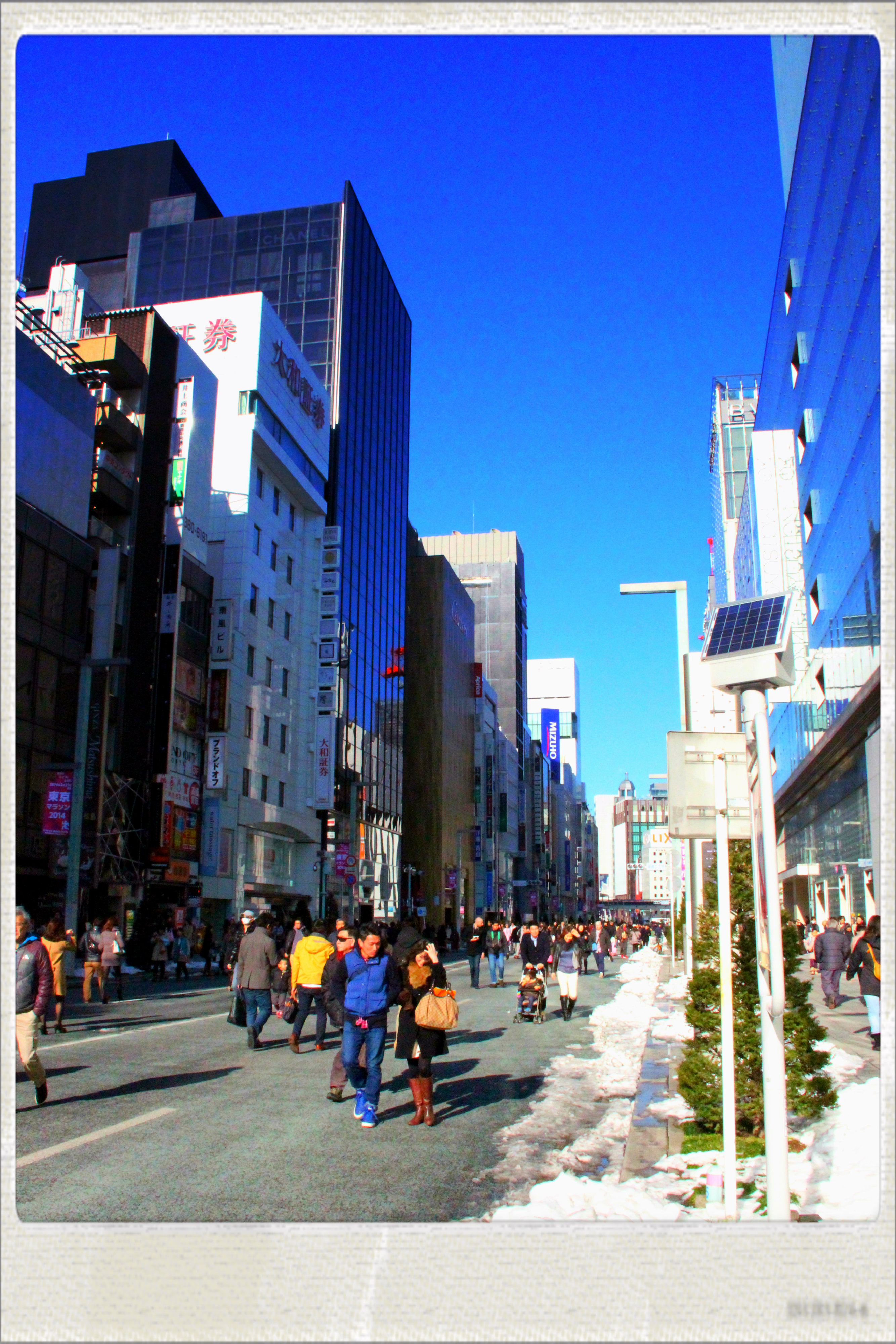
The art, though, is in the historic buildings and the ceremonies that still take place within. Approaching Senso-ji temple, I was one among throngs of visitors, despite over a foot of snow falling just two days prior and forcing the city to its knees. Shoulder to shoulder we meandered to and from each booth and to the temple.
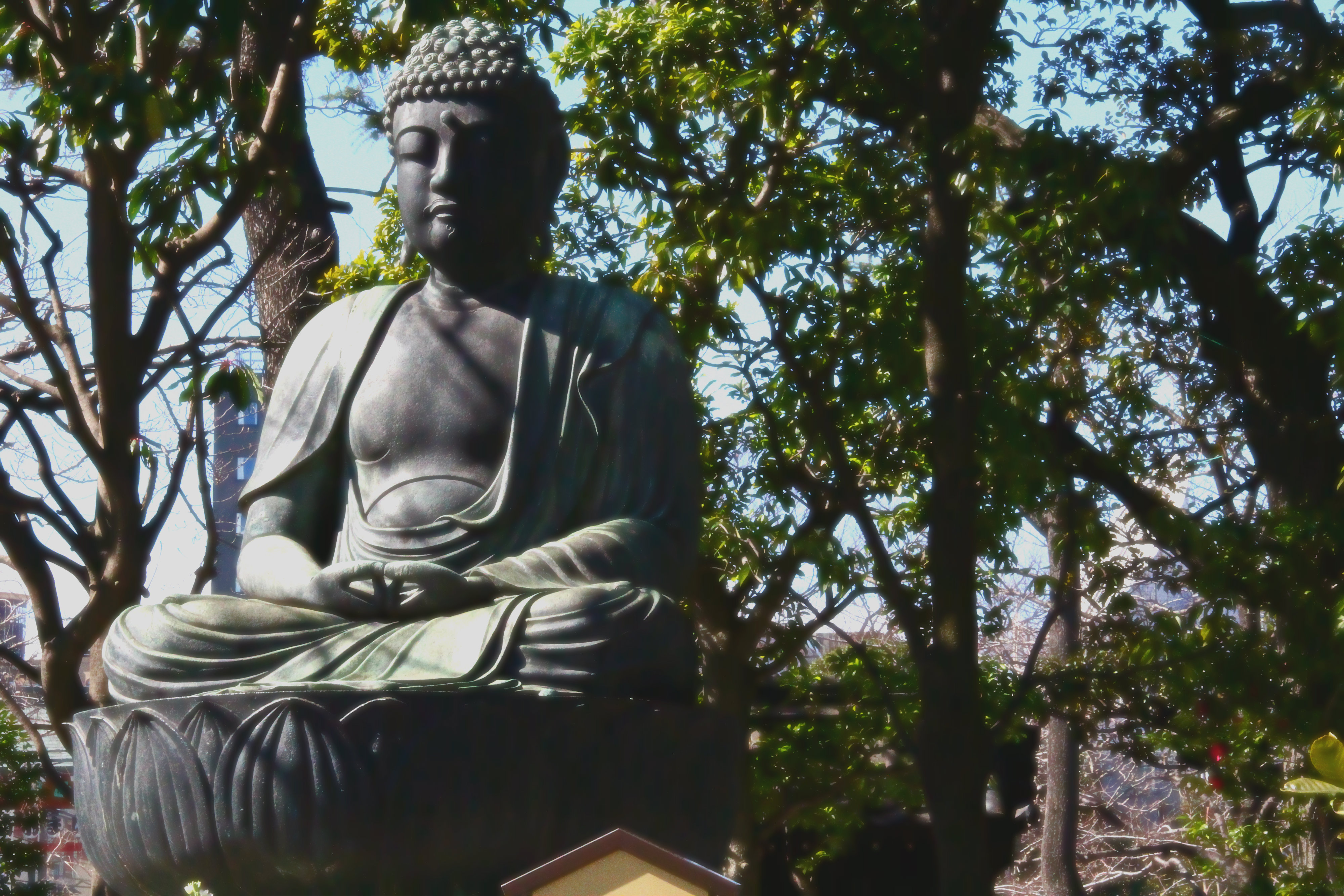
Ironically, the temple was meant for quiet meditation. Still, to wander the busy grounds was impressive, though as I attempted a quiet moment with Buddha here I was interrupted repeatedly with Buddhists and non-Buddhists alike, taking pictures and rushing about me. I gave up my quiet moment of meditation, but felt inspired and moved by the beauty of the statuary.
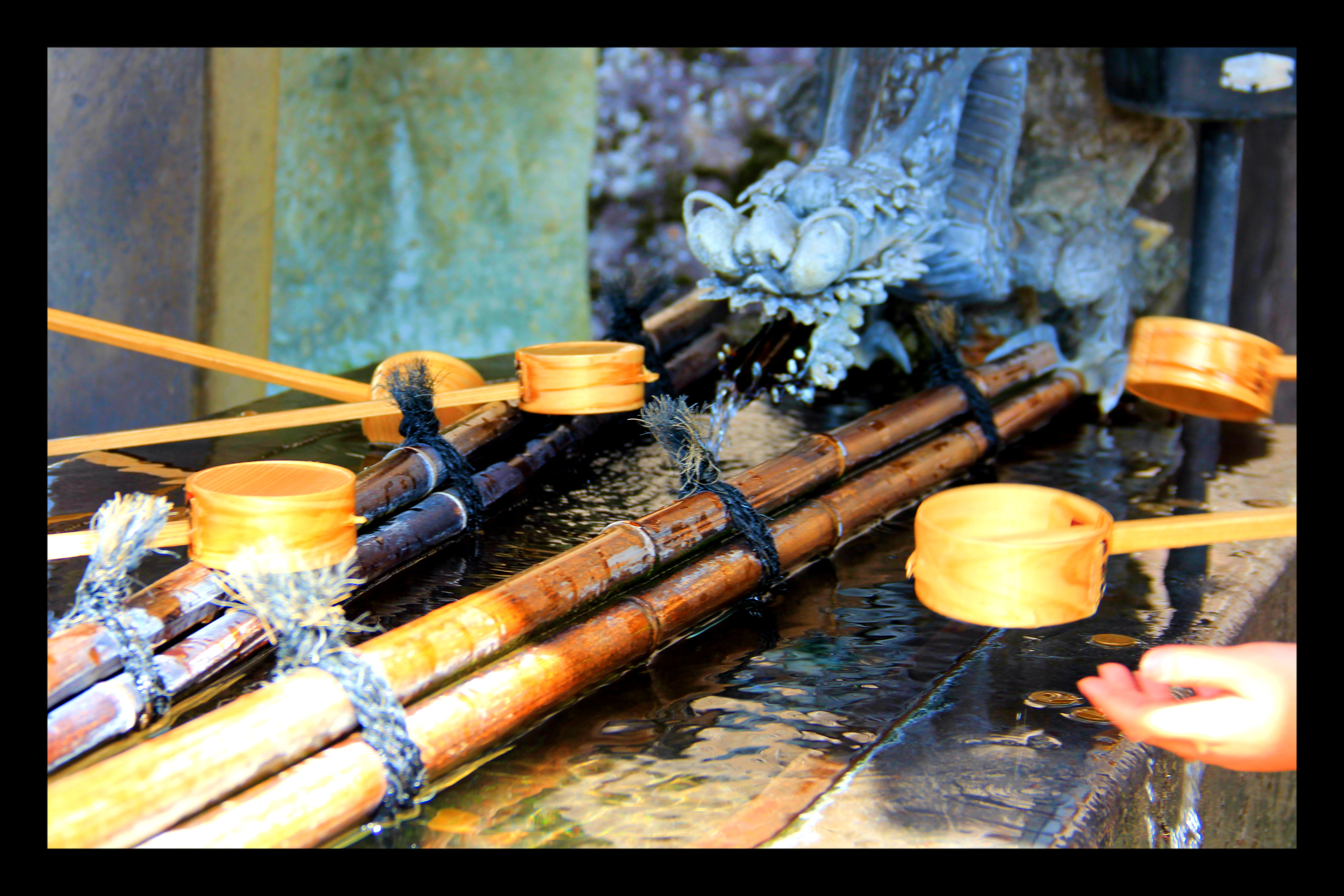
At each temple, there is the same cleansing tradition: wafting incense smoke over your head (much like I have seen in Native American traditions) and washing of your hands via an ornate fountain. Narita’s temple (above) was much smaller and less ornate, but in that simplicity I found more beauty.
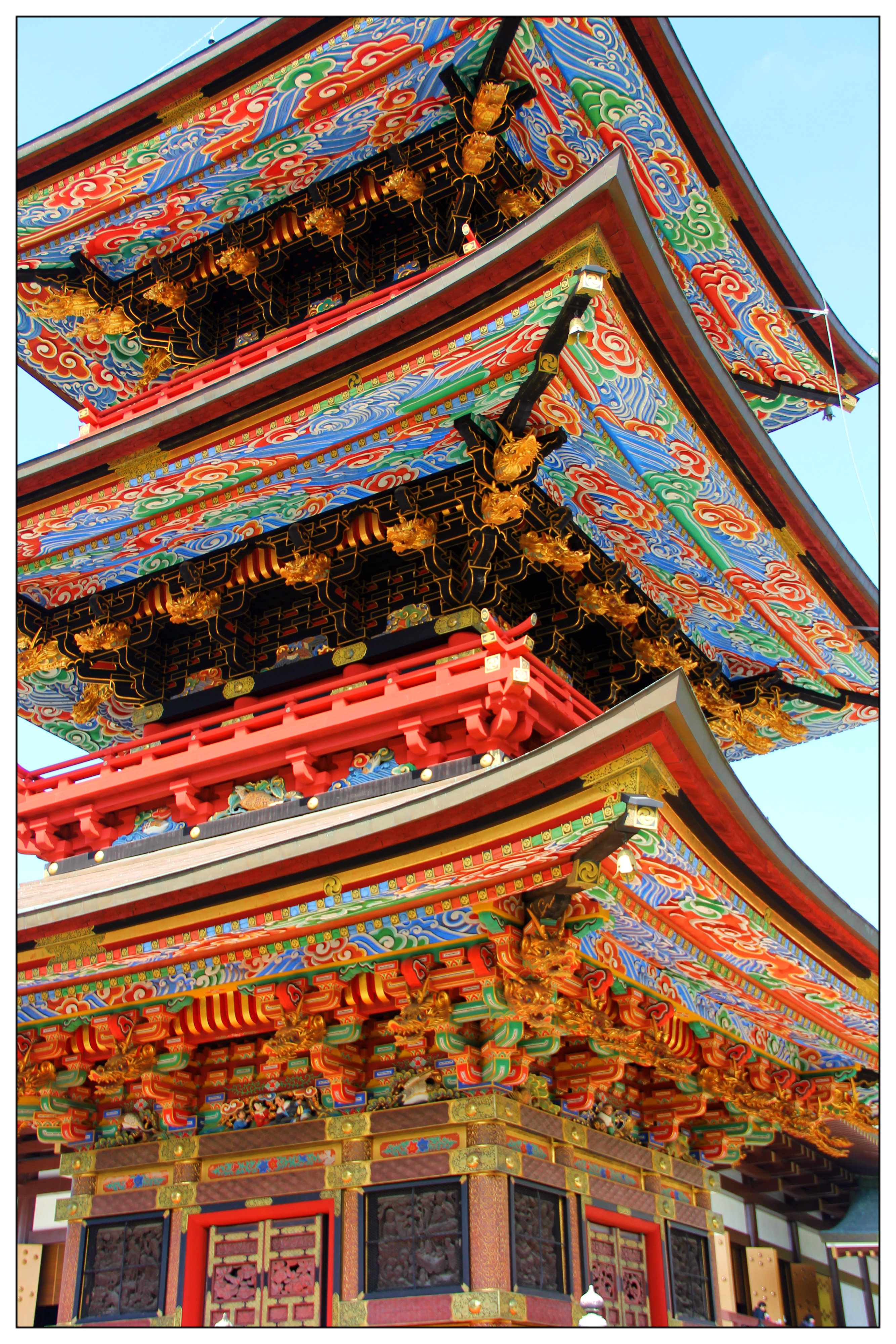
The Narita temple also has fewer crowds, to be sure. Not in the heart of the biggest of the cities helps keep the masses at bay, but if a traveler has a layover in Narita, this is the temple to see. The colors in the ornate pagoda outside the main temple room are stunning. Only revived three times, and the last in the 19th century, the colors alone make the visit worth it. Bright reds and blues and greens stun the eye, and almost distract one from the ornate woodwork carved over each door.
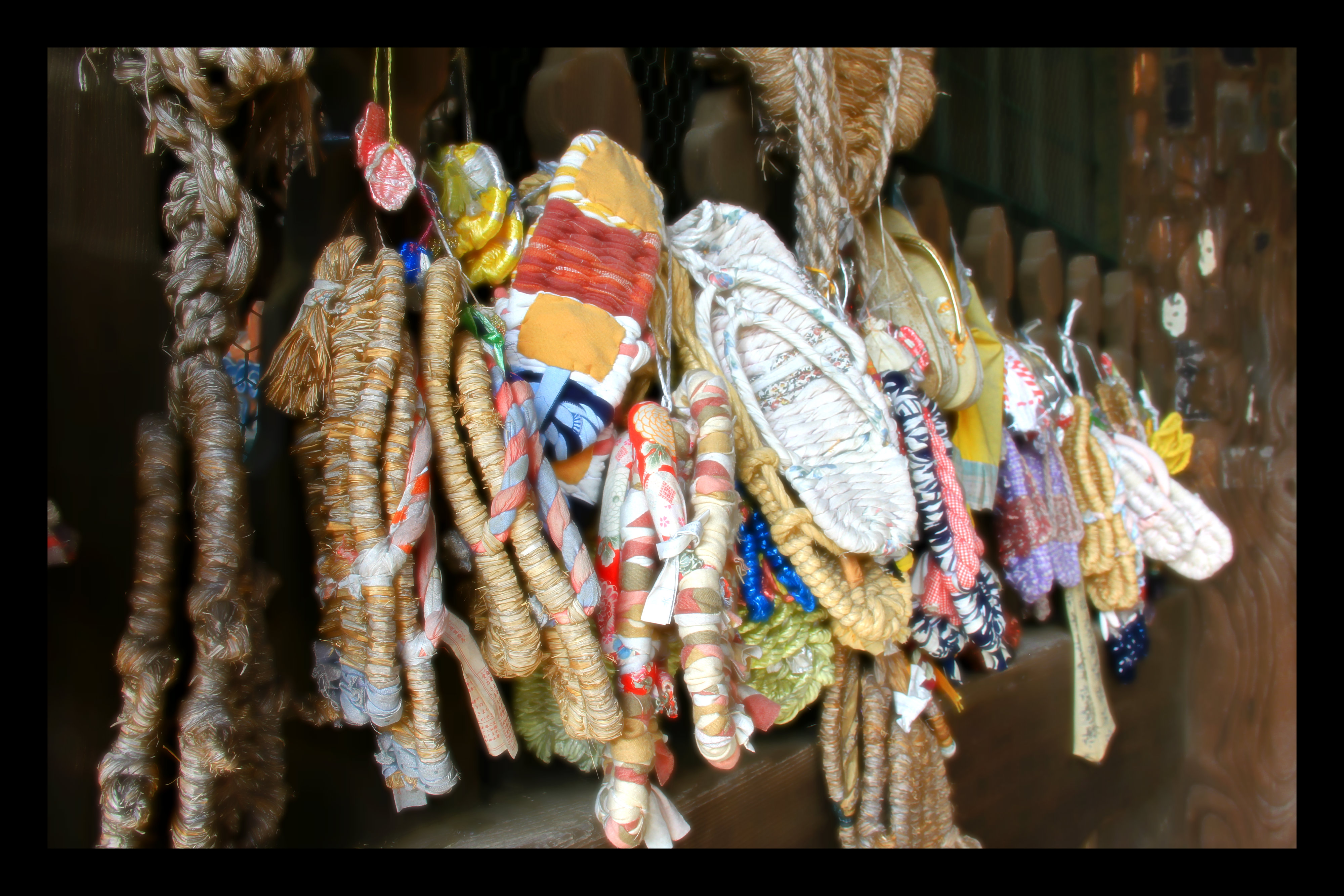
There are things I saw that were beautiful, though I didn’t understand completely. In Buddhist tradition, it is expected that one remove his or her shoes upon entering the temple itself. This is often associated with both Japanese and Hawaiian cultures, but to enter a temple room with shoes on is an act of disrespect. This, I assume, had something to do with the rattan shoes tied up outside the entrance.
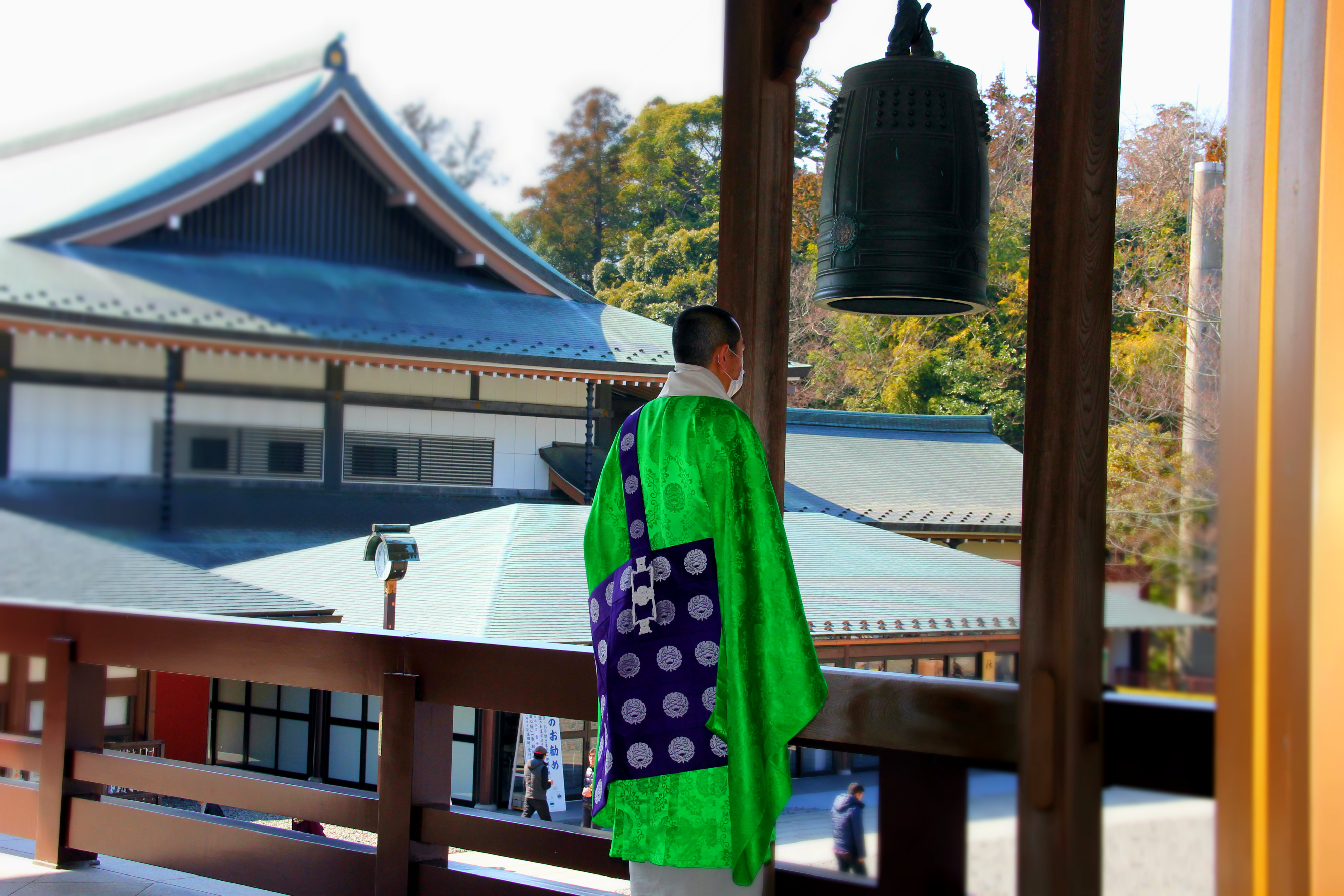
What amazed me most about the Narita temple was that I stumbled upon a Buddhist ceremony. I stood at the entrance, peered inside the best I could, but the purposefully reflective glass left me only to listen to the chants and catch an occasional burst of flame from the ceremonial fire behind the alter. With respect I wished not to enter the temple to make it a tourist event; I am not much of a practicing Buddhist (yet) and preferred to instead listen briefly and move on. As I walked away from the doorway I came across the above photo, a monk who rang the bell to signify the end of the ceremony. I was taken aback by the richness of color of what he wore, juxstaposed with his paper face mask. He stood so silently and still until just the right moment.
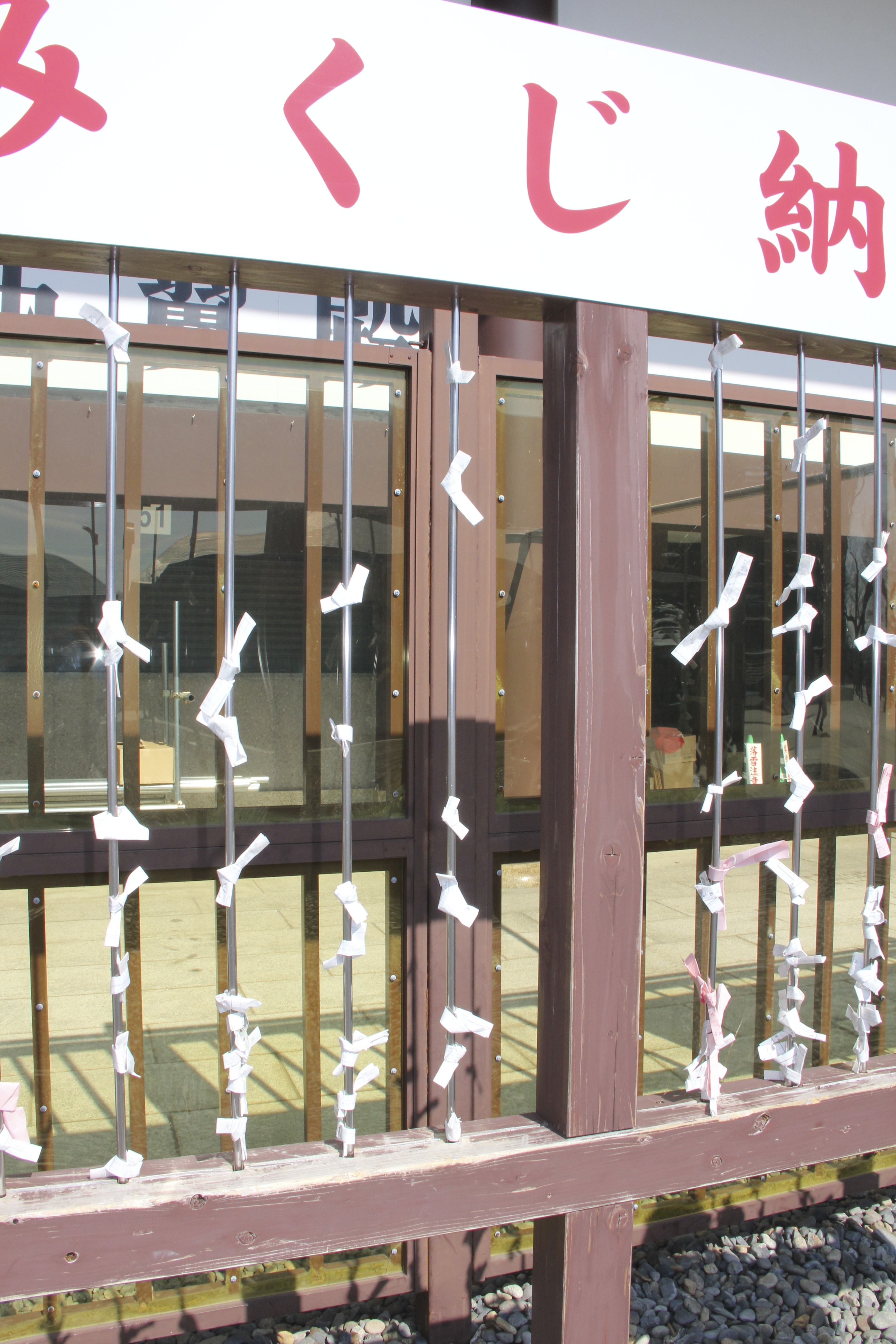
If you are privy to written Japanese, you can purchase a fortune paper, make your wish, then tie it up on railings like these. If it had been almost any other language I happily would have made the purchase. Kanji, however, is lost on me. There does exist a “tour” in Tokyo that teaches the art of kanji. On my next trip, to be sure, I will visit that.

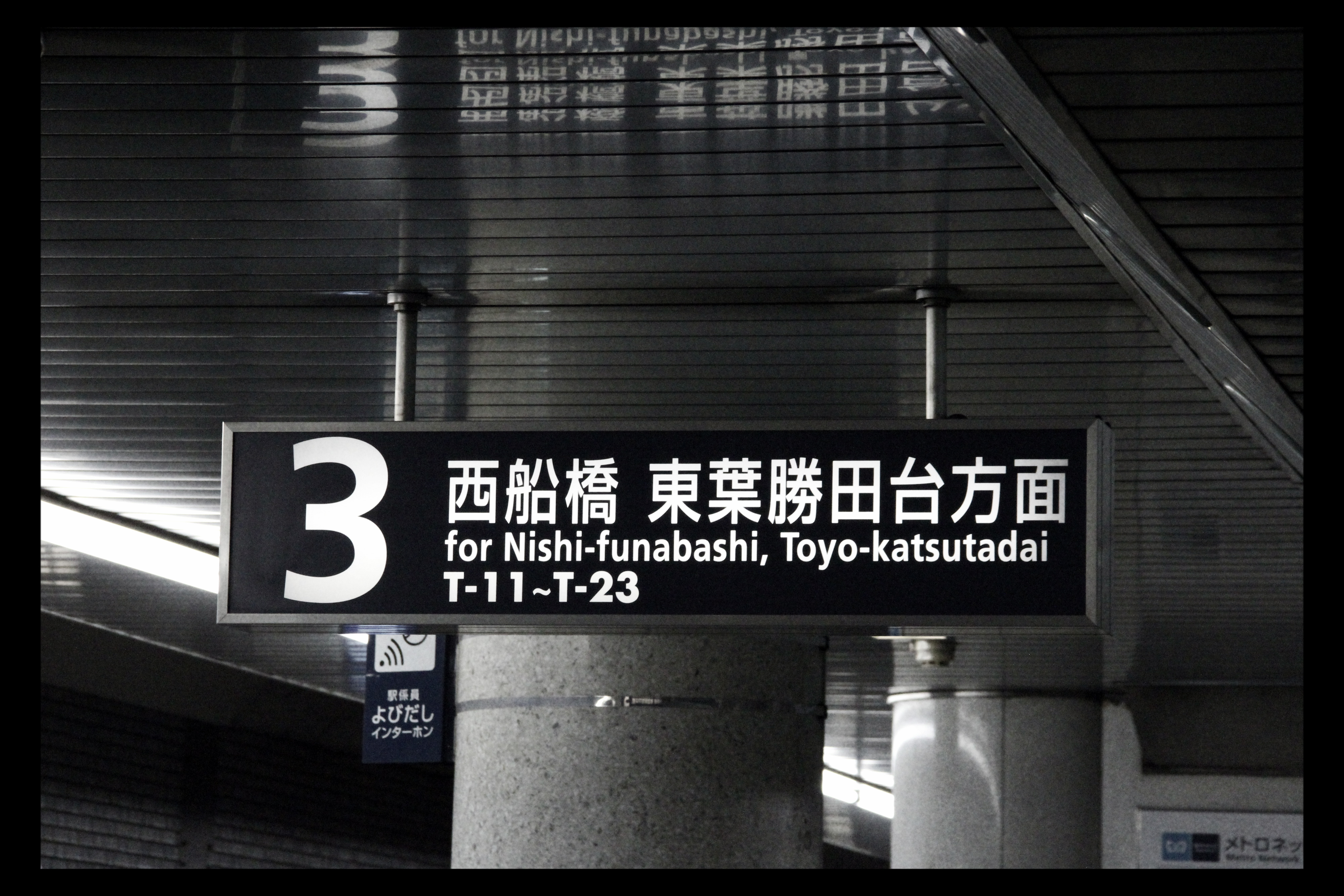
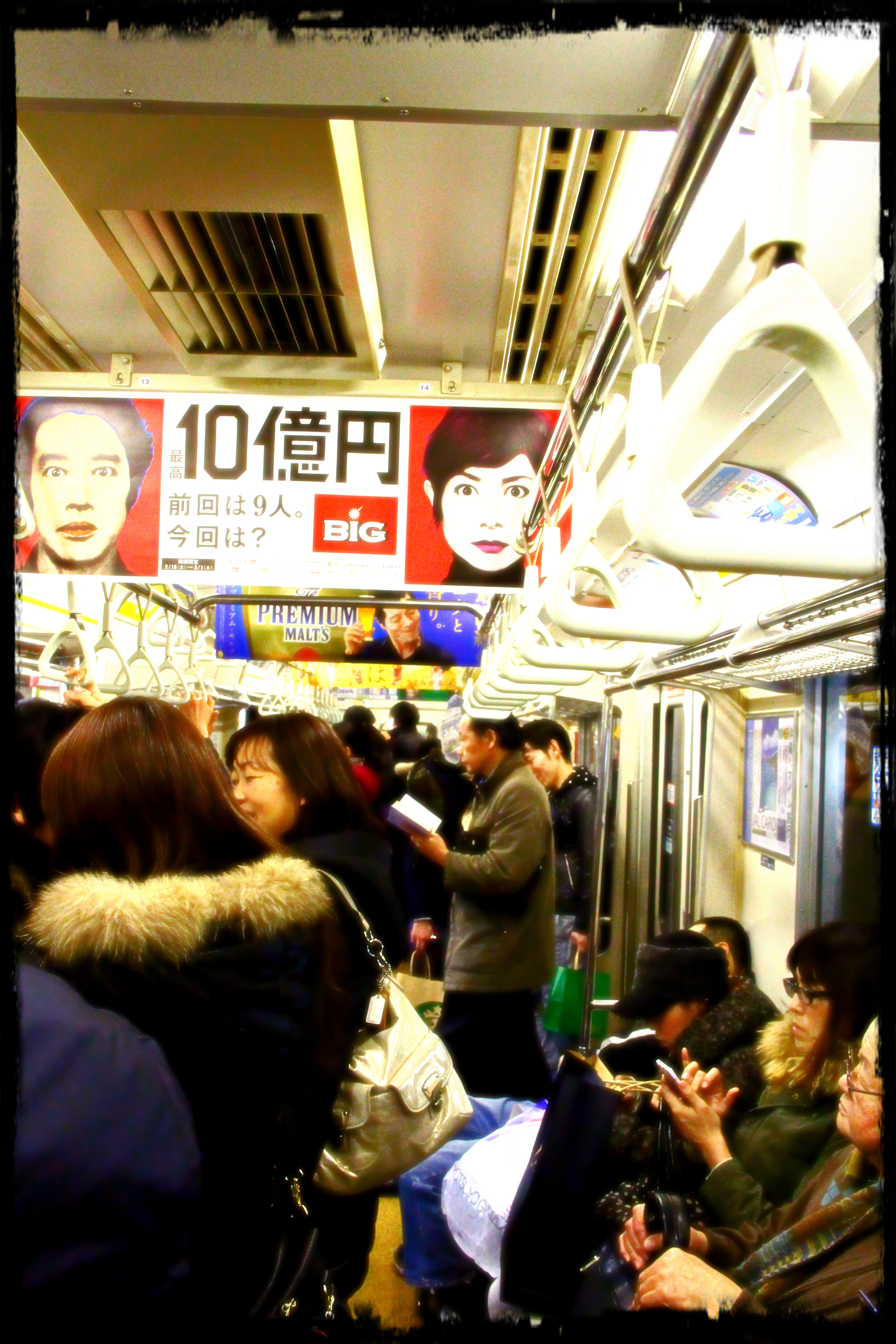
In my short time galavanting around the city I fell happily into every tourist trap I could find. Off the same Asakusa line as the Senso-ji temple, you can find touristy things galore. I attempted the Sky Tree, which stands at 2,080′. It acts as a broadcasting tower, but is most commonly known for its view of the entire city. On the particular day I attempted to visit it, high winds after the snowstorm prevented it from opening. Instead, I took a Tokyo Bay tour. Initially, I purchased a round trip ticket, fearing I wouldn’t find my way back otherwise. However, I recommend that if you do it, only go one way. It’s a fun alternative to the subway, and a better tour than a bus, but there are much better things to see in the city.
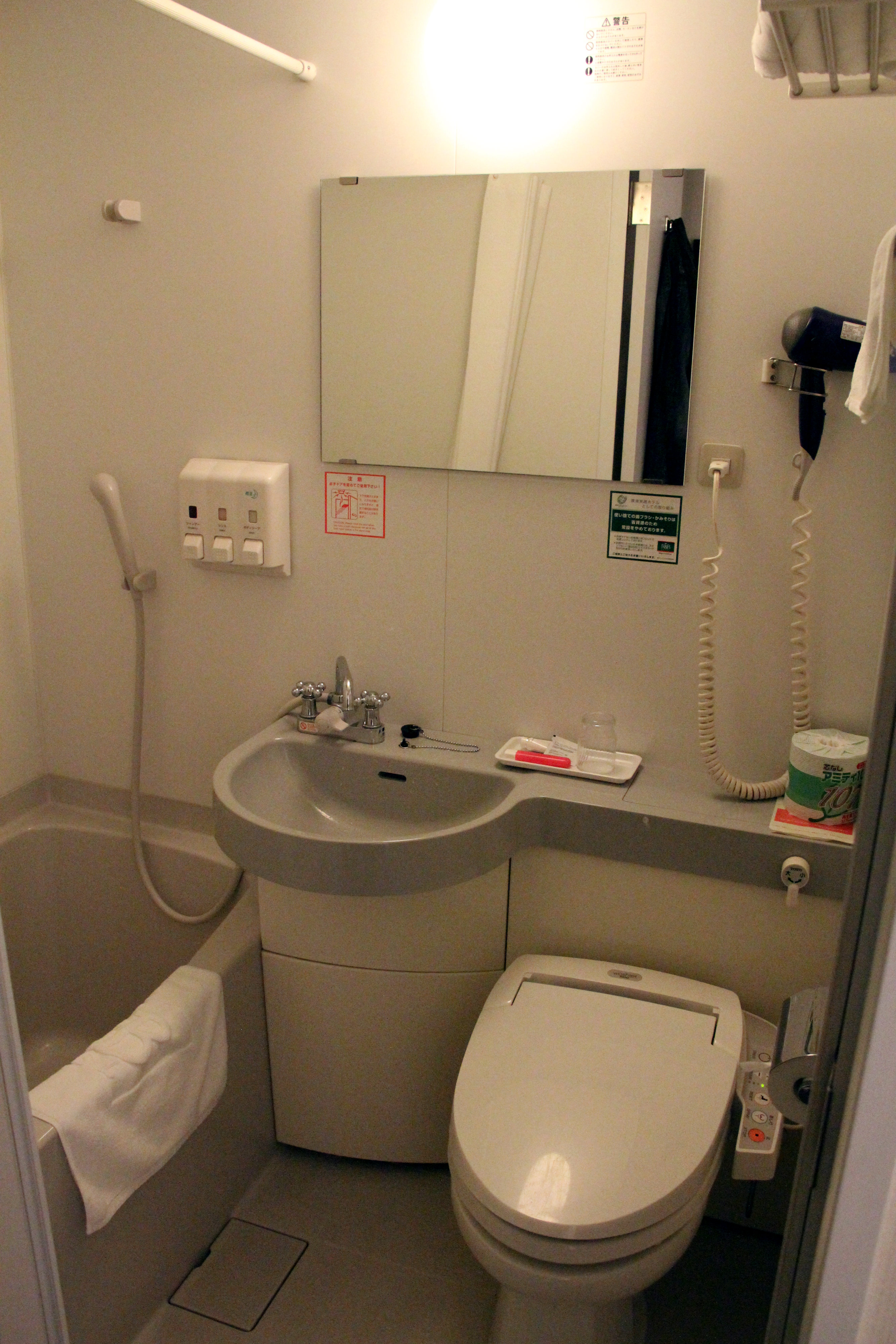
For example, toilets. The hotel bathrooms (a common example is above) are small, but toilets are a fascinating experience. Tokyo toilets are clean, tidy, HEATED, and of course most feature a bidet option. For many Westerners, this is an odd experience, but believe it or not, it’s certainly part of the trip. The first Western toilet I used after (sadly at LAX) was a sobering reminder that we do not, in fact, have heated seats, pristine toilets, or washing options. Coming from a ski town, this is an investment I believe we all want.
Flipping through my guidebook now I see a zillion other things I need to return for. A week is hardly enough time, but if we take the approach of quality over quantity, and soak in the richness of each moment, that week will be immeasureably worthwhile.

 The Alice Expeditions: One woman, one world.